
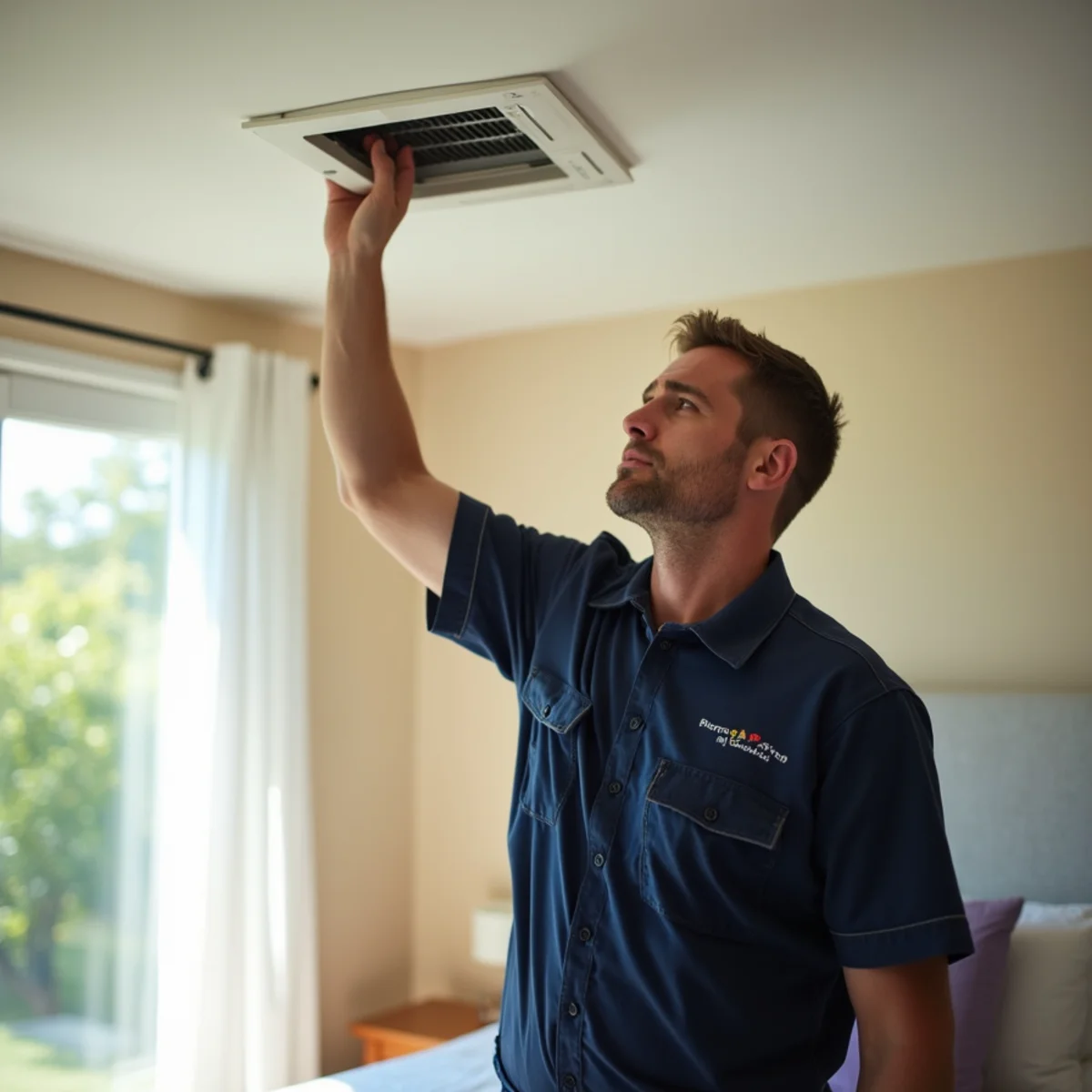
When your AC blower fan is running but blowing room-temperature or warm air, the most common causes are: (1) a dead outdoor condenser capacitor or tripped outdoor disconnect switch (meaning the compressor never actually turns on); (2) a completely clogged air filter choking airflow and freezing the evaporator coil; (3) a severe refrigerant leak dropping system pressure; (4) a thermostat fan setting stuck on 'ON' instead of 'AUTO'; or (5) an outdoor condenser coil blanketed in cottonwood, dirt, and lawn clippings. You can safely check your thermostat, filter, and outdoor coil yourself.
Cause 1: Thermostat Fan Setting Switched to 'ON'
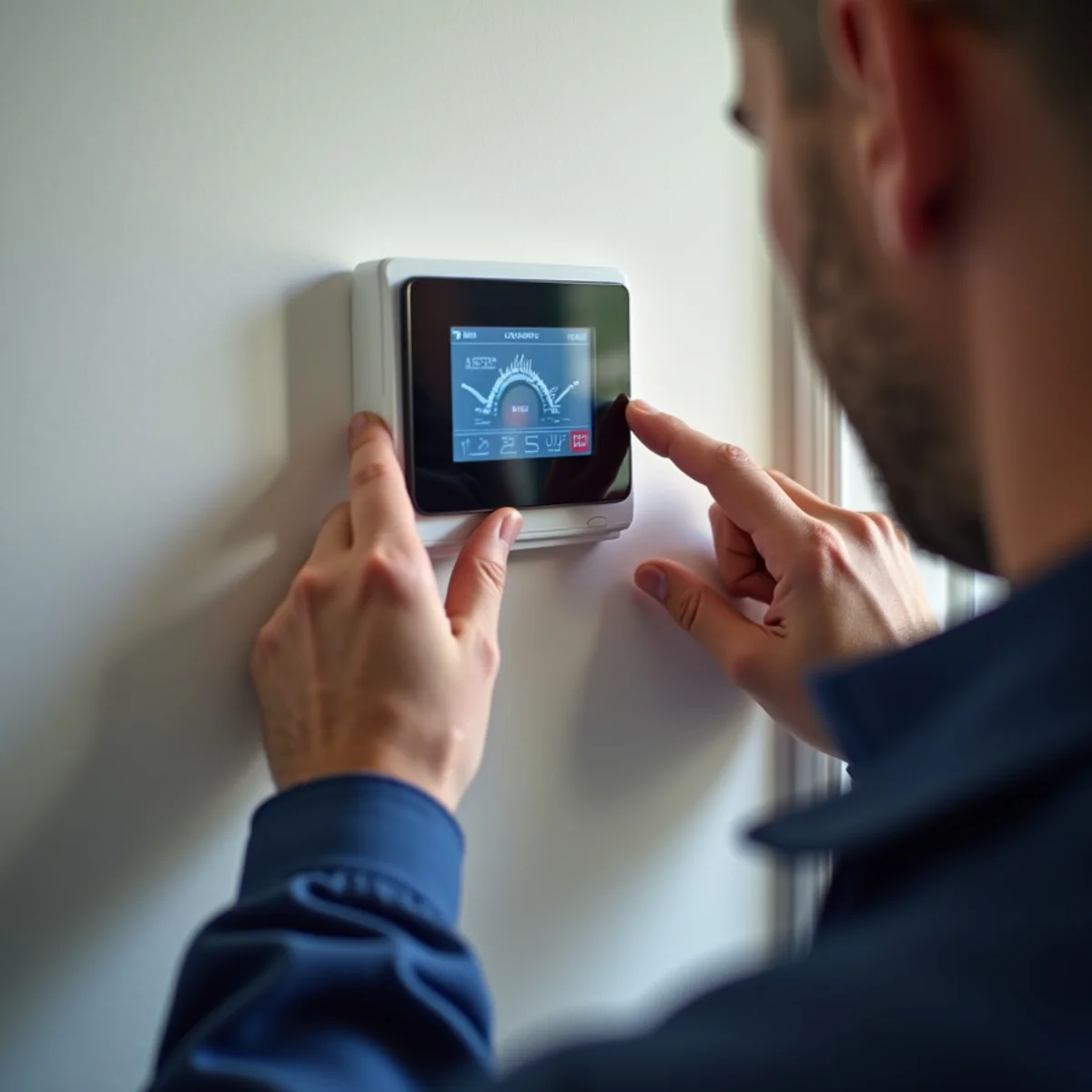
This is the simplest fix of all. Check your thermostat. Is the fan switch set to 'ON' or 'AUTO'?
When set to 'ON', your indoor furnace or air handler blower fan runs continuously 24 hours a day, even when the outdoor condenser shuts off. During those off periods, the fan simply blows warm, humid room air through your vents, making you think the cooling system is broken. Switch the setting to 'AUTO' so air only blows when active refrigeration is taking place.
Cause 2: Failed Outdoor Dual-Run Capacitor
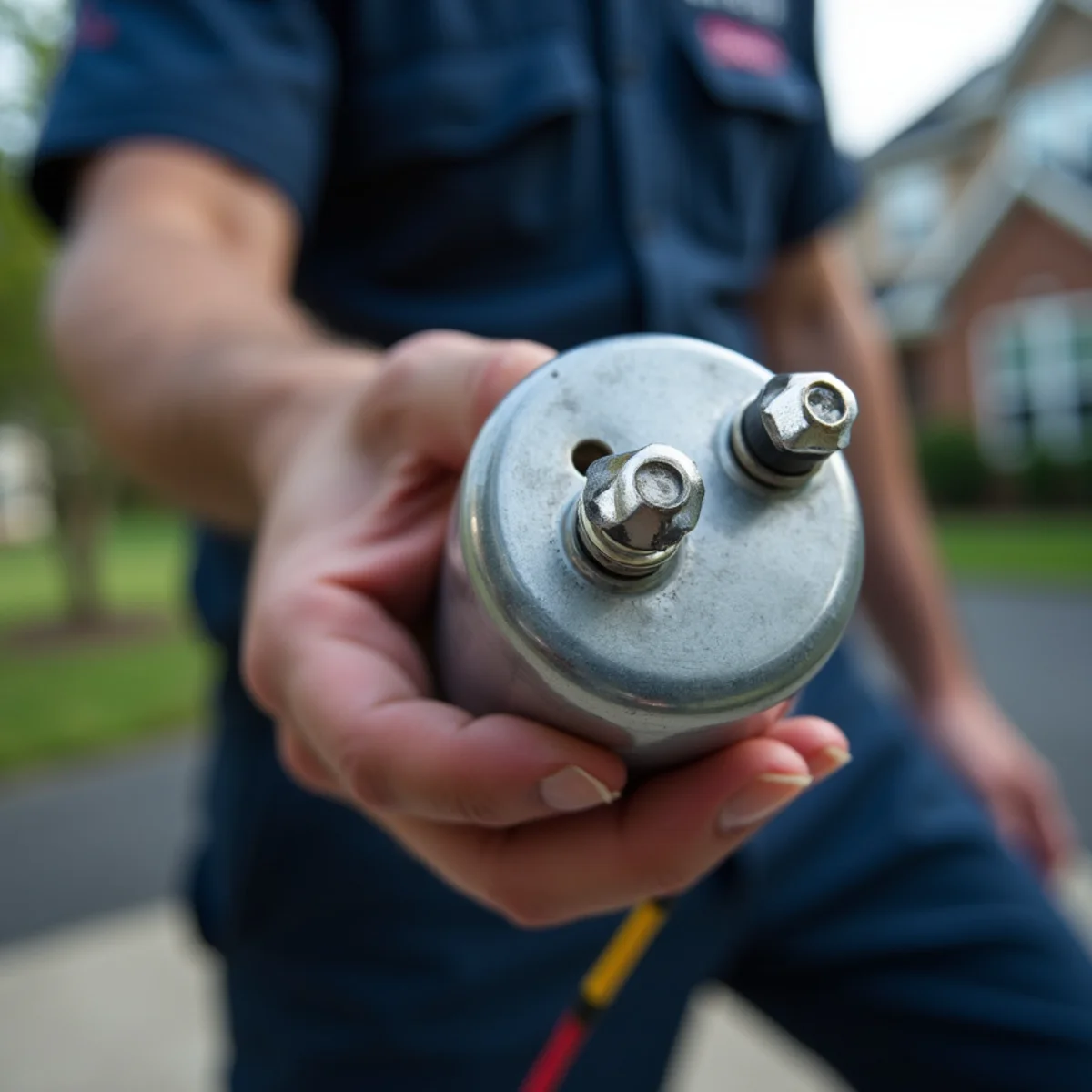
Listen closely outside near your outdoor AC unit. Can you hear the humming hum of the compressor, or is only the fan spinning? Or is the unit completely silent while the indoor fan roars?
The dual-run capacitor provides the high starting torque needed to start the compressor and outdoor fan. During Morristown summer heat waves, high ambient temperatures cause capacitors to bulge, vent electrolyte, and fail. Replacing a capacitor is an inexpensive, routine repair for our mobile technicians.
Cause 3: Frozen Evaporator Coil
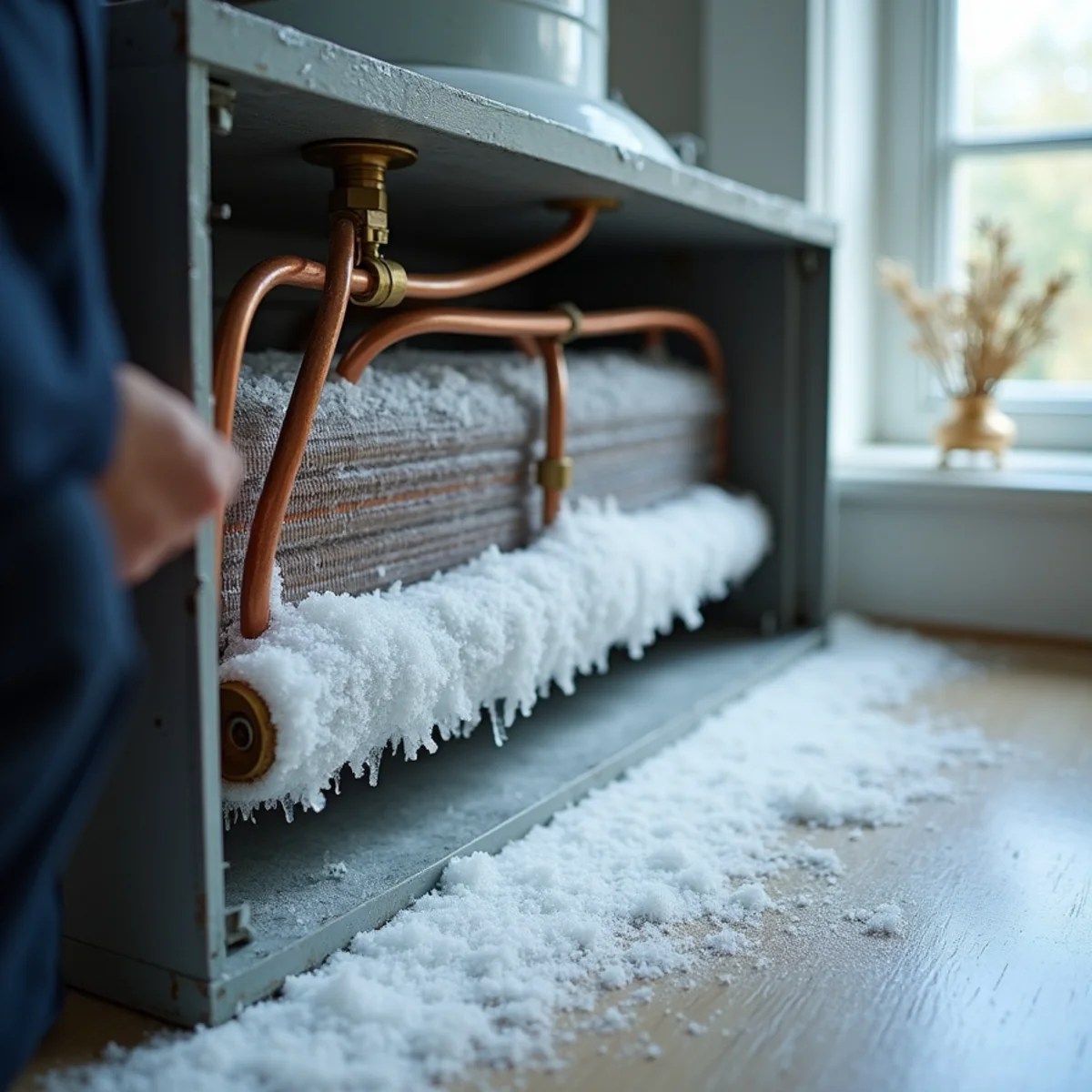
Inspect the copper pipes leading into your indoor air handler or basement furnace. Are they encased in white frost or ice? Is ice forming around the metal coil cabinet?
When an air filter is choked with dust or the system is low on refrigerant, the coil temperature drops below 32°F, freezing moisture extracted from the air into a solid block of ice. Once frozen, air cannot pass through the coil. Turn the system to 'OFF' immediately to prevent compressor burnout.
Cause 4: Blocked Outdoor Condenser Fins
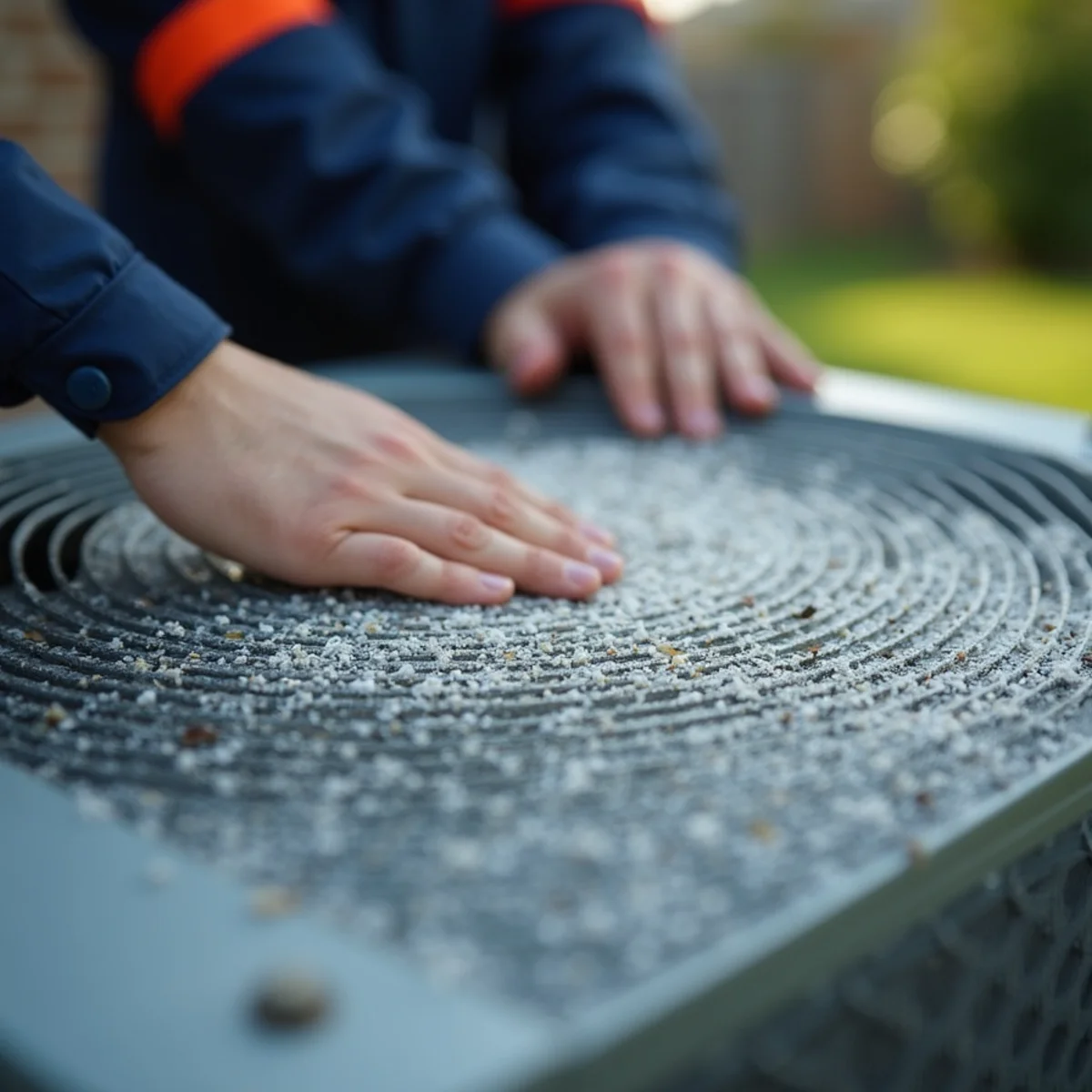
Your outdoor condenser expels the heat absorbed from your home into the outside air. If the aluminum fins are clogged with grass clippings, dryer lint, dirt, or autumn leaves, heat cannot transfer out of the refrigerant.
Use a garden hose with a gentle spray nozzle (never a pressure washer, which will bend the delicate aluminum fins) to rinse debris off the exterior coil from top to bottom.
Cause 5: Low Refrigerant Charge from an Active Leak
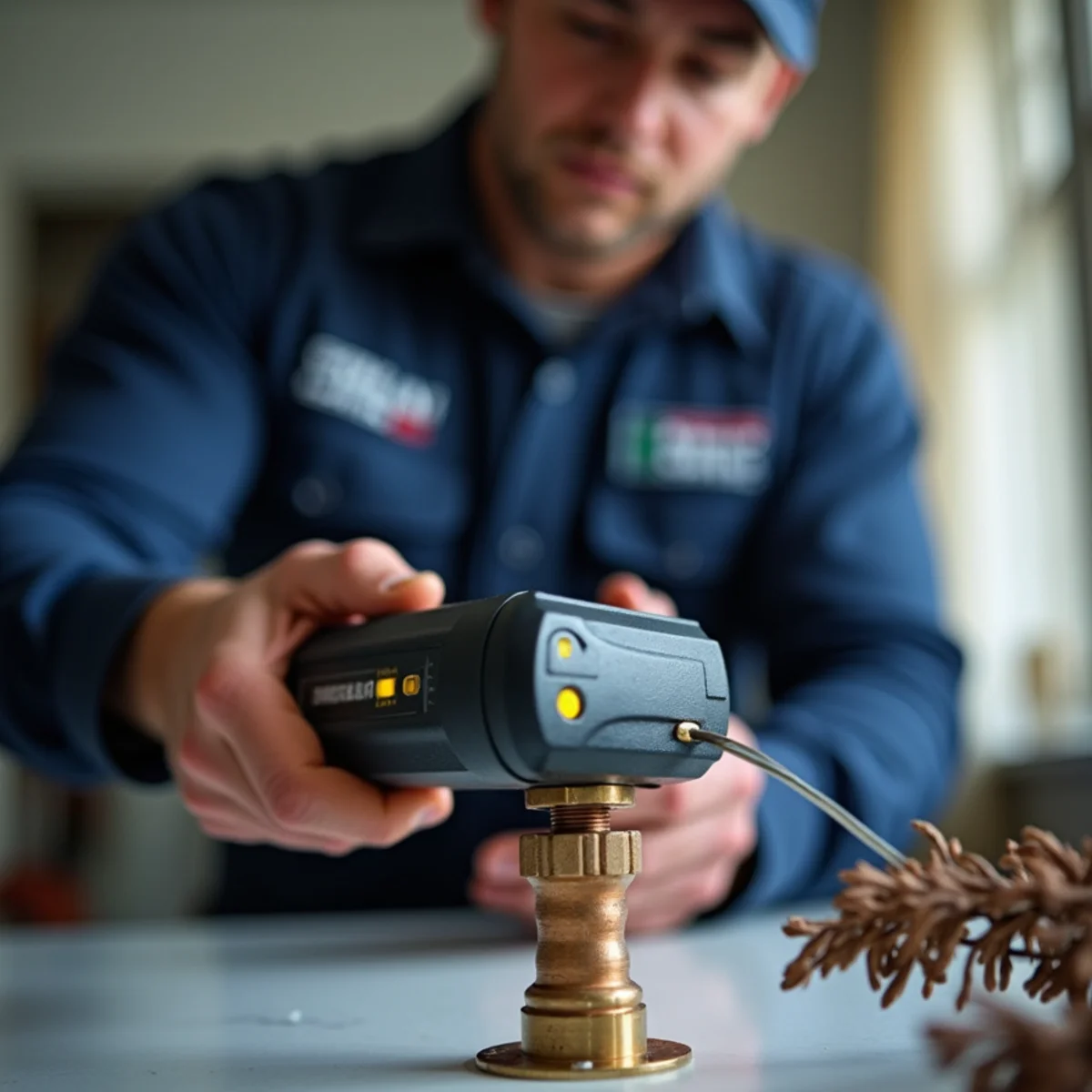
Air conditioning systems do not consume refrigerant during operation. If your system is low on R-410A or R-22, an active pinhole leak has developed in the indoor evaporator coil, outdoor condenser, or service valves.
Symptoms of low refrigerant include hissing sounds near the copper line set, ice forming along the suction line, and warm air blowing despite the compressor running constantly. A licensed technician must perform an electronic leak detection, braze the leak, and recharge to factory subcooling specifications.
Cause 6: Tripped Outdoor Disconnect or Blown Fuses
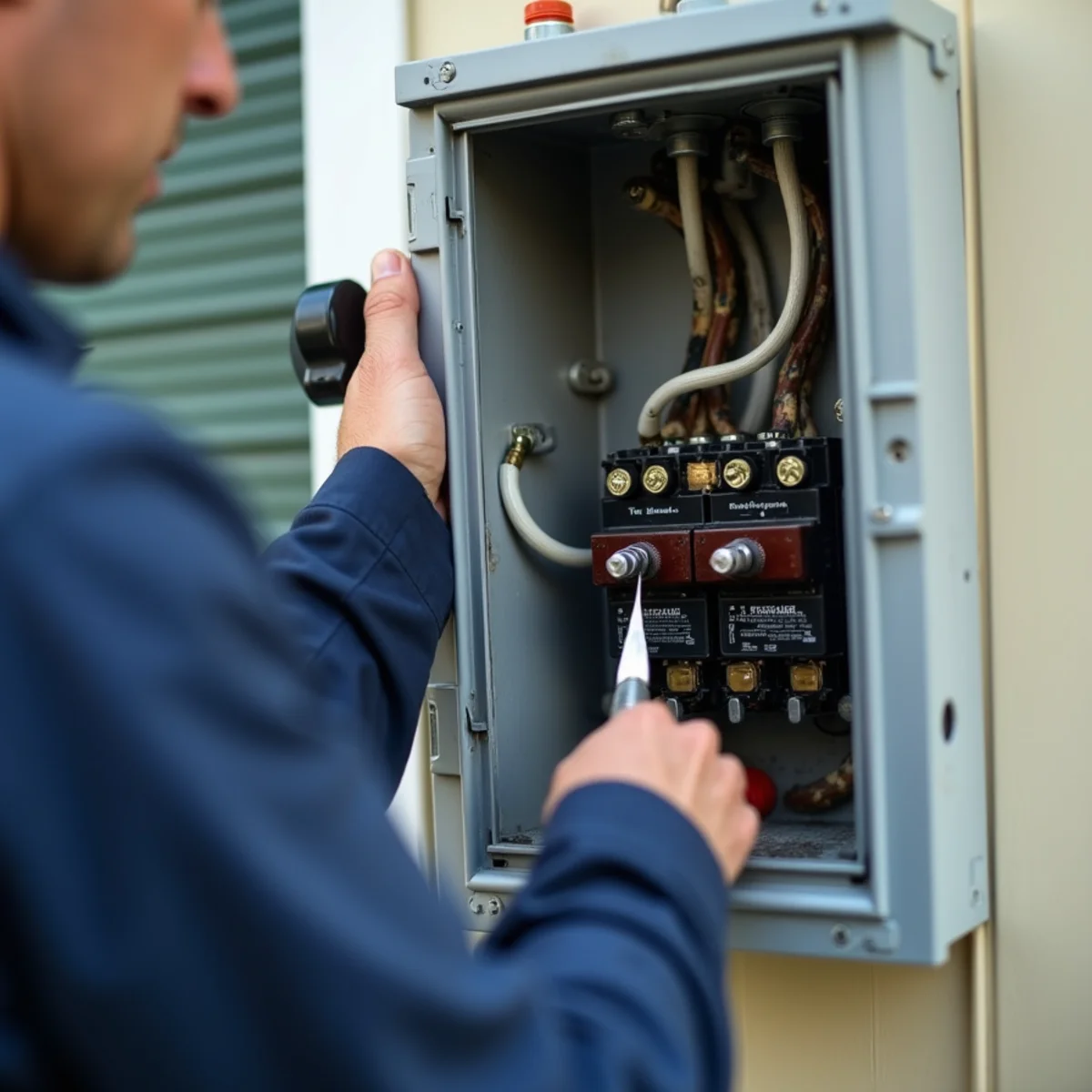
Mounted on the exterior siding next to your outdoor condenser is a metal disconnect box containing pull-out blades or cartridge fuses. During lightning storms or voltage surges, these fuses can blow, cutting 240V power to the outdoor unit.
When this happens, the indoor air handler still receives 120V power from your interior breaker panel and continues to circulate unconditioned room air. Replacing blown pull-out fuses or resetting the exterior breaker often restores compressor operation immediately.
Cause 7: Pitted or Worn Electrical Contactor
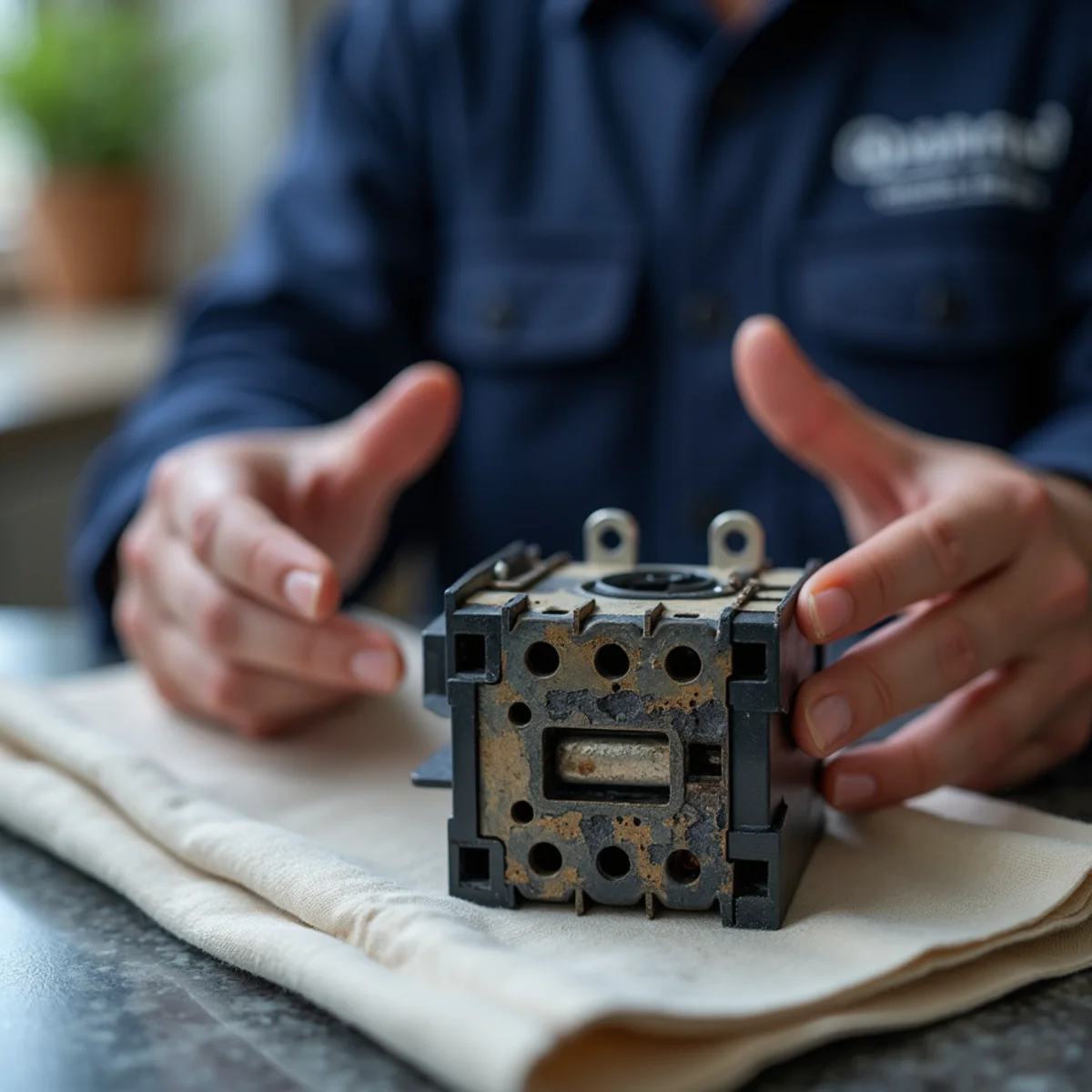
The electrical contactor is a heavy-duty relay switch that pulls in to connect high-voltage power to the compressor and fan whenever the 24V thermostat calls for cooling. Over thousands of cycles, electrical arcing burns carbon onto the contact points.
Pitted contacts create excessive electrical resistance, preventing the compressor from starting or causing it to overheat and trip on thermal overload. If you hear a loud buzzing or clicking outside without the motor starting, the contactor needs replacement.
Heating and air conditioning systems are complex closed-loop mechanical assemblies requiring strict adherence to manufacturer specifications, the New Jersey Uniform Construction Code (NJ UCC), and EPA Section 608 environmental guidelines. At Bella Family Air Pros, our certified technicians never rely on superficial visual inspections or temporary refrigerant top-offs.
If your system exhibits persistent short-cycling, uncharacteristic vibrations, electrical breaker trips, or thermal output drops, continuing to run the equipment risks catastrophic compressor seizure or heat exchanger cracking. Prompt, accurate diagnosis saves thousands in premature equipment replacement.
While routine air filter checks, thermostat battery replacements, and outdoor vent clearings are safe for homeowners, stop troubleshooting immediately and contact licensed technicians if you notice:
- •A distinct rotten egg sulfur smell (indicates a hazardous natural gas leak)
- •Carbon monoxide alarms sounding anywhere in the living areas
- •Sparks, buzzing noises, or scorch marks around electrical panels
- •Water actively overflowing from boiler relief valves or attic ceilings
Frequently Asked Questions
Quick takeaways and common homeowner inquiries regarding this heating and cooling topic.
A frozen coil typically takes 2 to 6 hours to thaw completely. Keep the thermostat set to 'OFF' and switch the fan to 'ON' to circulate room air across the ice. Place towels around the indoor unit to catch melting water.
Our dispatch team is available 24/7 to help diagnose your system.
Not urgent? Send a request
For the fastest help, call (321) 478-0693. Otherwise, fill out the form below and we will respond promptly.
Need Professional HVAC Help in Morristown or Morris County?
Call (321) 478-0693 for 24/7 emergency dispatch or schedule your non-urgent diagnostic visit with upfront pricing.