
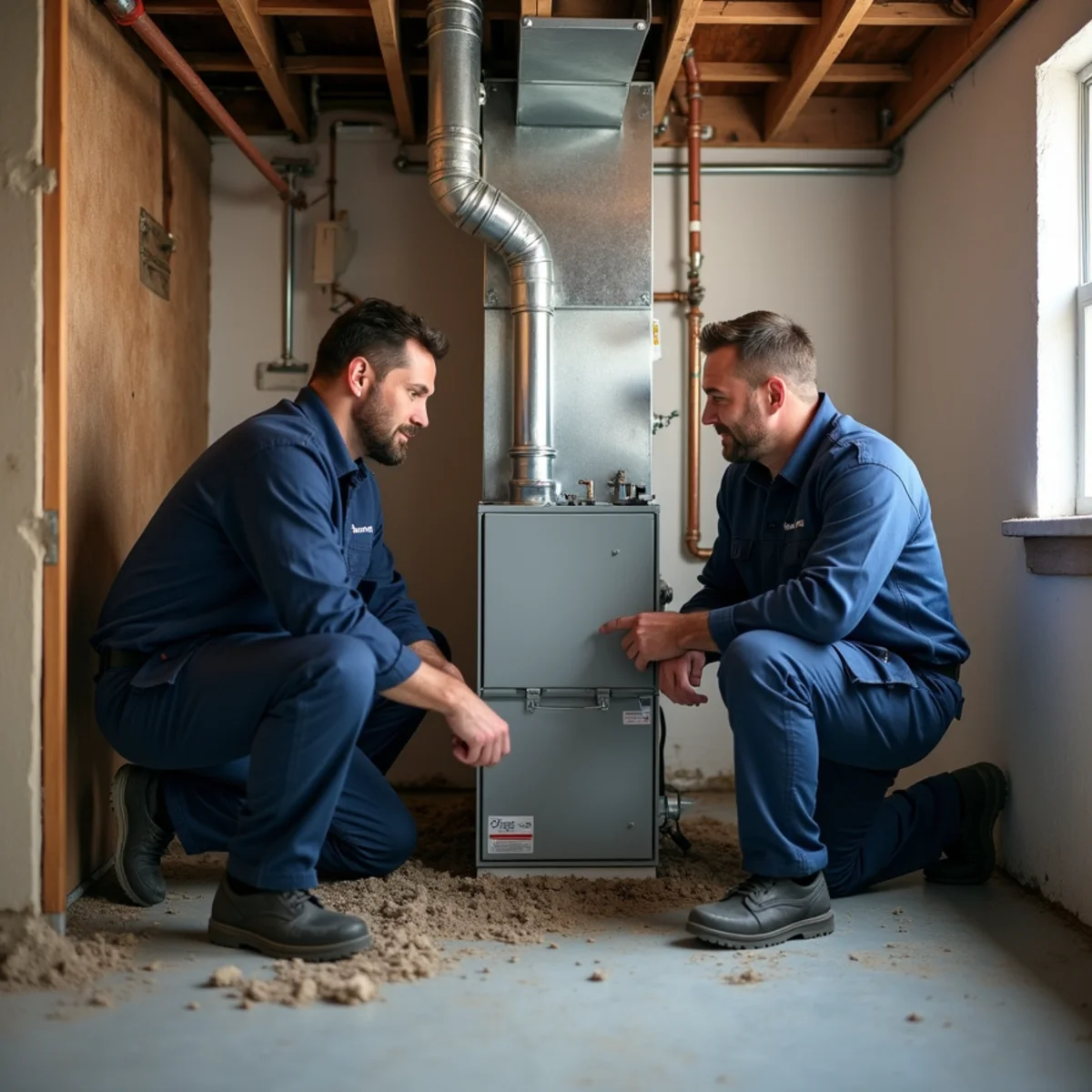
Converting from heating oil to natural gas in Morris County, NJ typically costs between $6,500 and $14,000, depending on four key elements: (1) whether natural gas is already connected to your street or meter; (2) whether you install a high-efficiency 96% direct-vent gas furnace or boiler; (3) whether your chimney requires a new stainless steel flue liner ($1,200 - $2,200); and (4) decommissioning your old oil tank ($1,500 - $3,500). Natural gas heating lowers annual fuel bills by 30% to 50% and eliminates oil delivery logistics.
Why Morris County Homeowners Are Abandoning Heating Oil
In towns like Randolph, Parsippany, and outer Morristown, thousands of suburban homes built from the 1950s through 1970s were originally piped for fuel oil. With volatile heating oil prices often exceeding $4.00 per gallon, natural gas delivers substantial operational cost savings.
Beyond fuel costs, older underground or basement oil tanks represent terrifying environmental and financial liabilities. A single pinhole leak in an aging steel tank can result in tens of thousands of dollars in mandatory New Jersey Department of Environmental Protection (NJ DEP) soil remediation costs.
Step 1: Gas Utility Coordination (PSE&G / NJ Natural Gas)
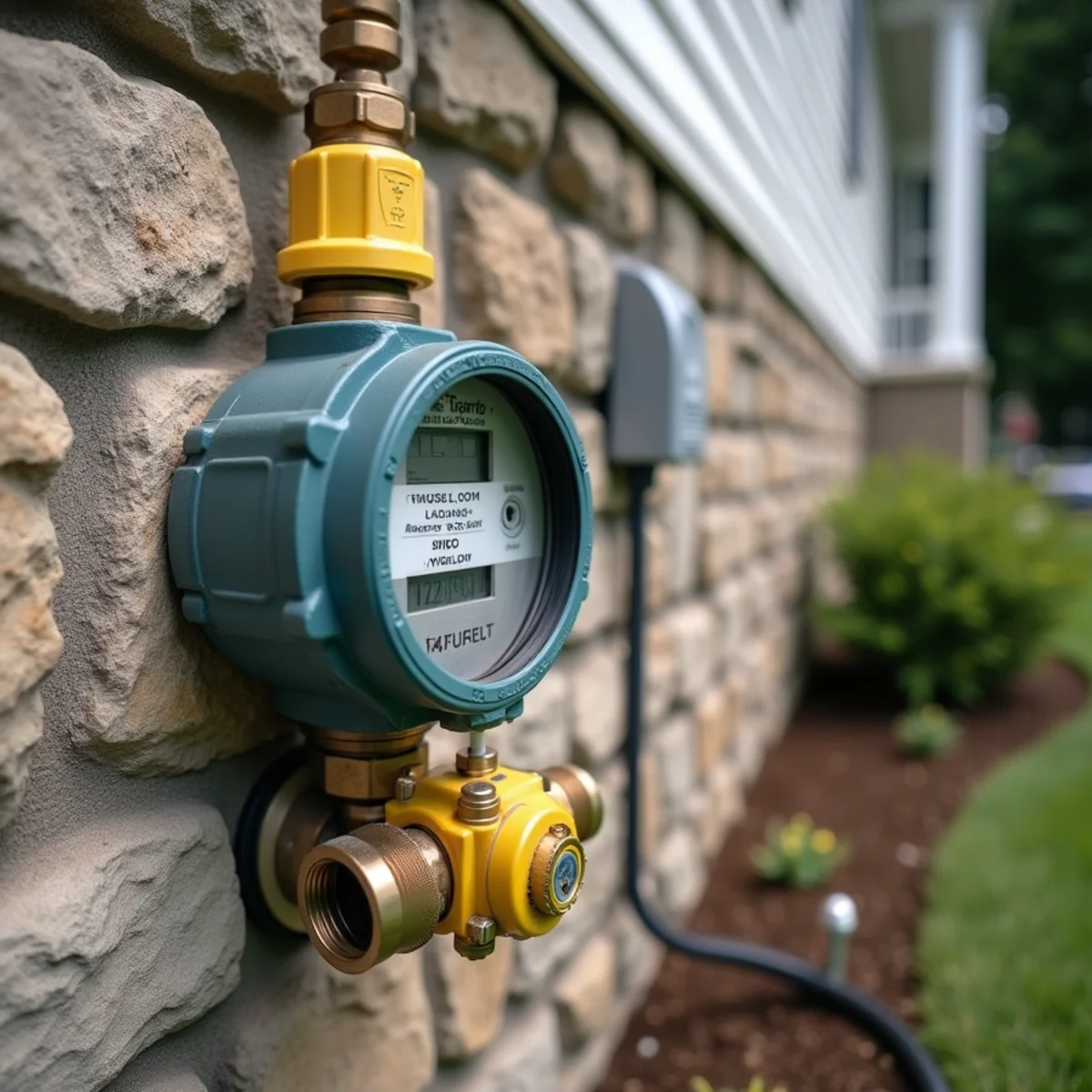
First, determine if natural gas runs along your street. If gas is in the street, your utility (typically PSE&G or New Jersey Natural Gas) will run a gas service lateral line to your foundation wall and set a meter.
If your home already has gas for a cooking stove or dryer, your licensed HVAC contractor will inspect the meter's cubic-foot-per-hour (CFH) flow rating. Upgrading from a 250 CFH meter to a 400+ CFH meter is often required to handle a high-BTU furnace or boiler.
Step 2: Chimney Relining or Direct PVC Venting
Natural gas combustion produces water vapor containing acidic condensation. If you connect a standard 80% gas furnace to an old masonry chimney that formerly vented fuel oil, this moisture will dissolve the clay chimney tiles and mortar joints within years.
To prevent structural chimney collapse and carbon monoxide spillage, New Jersey UCC code mandates either: (1) installing a seamless flexible stainless steel chimney liner; or (2) installing a high-efficiency 95%+ condensing furnace or boiler that vents directly outdoors through PVC/polypropylene pipes, completely bypassing the chimney.
Step 3: Oil Tank Removal or Abandonment
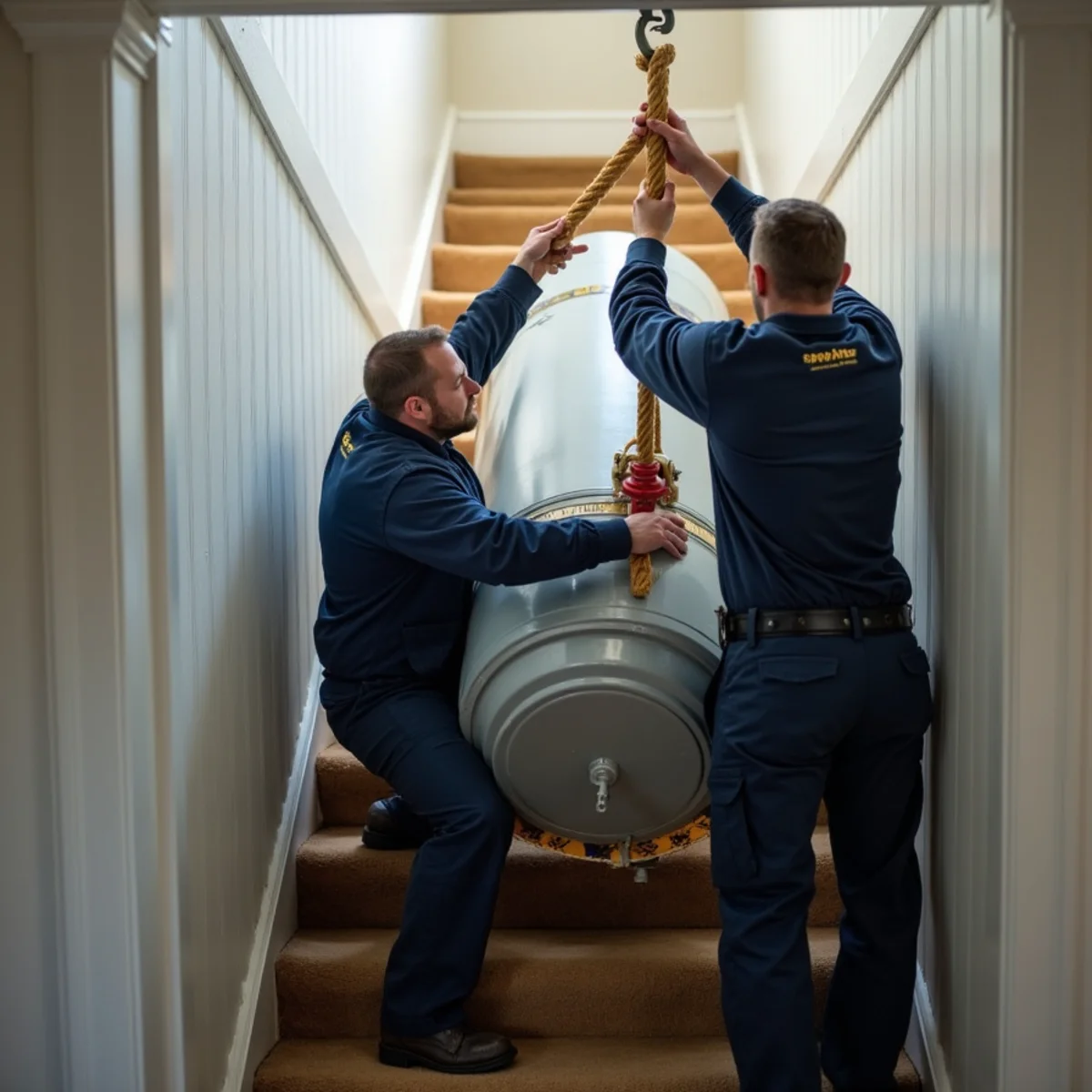
You cannot legally or safely leave an abandoned oil tank in place. Above-ground basement tanks can be cut into pieces and hauled away by certified environmental contractors.
For buried underground storage tanks (USTs), New Jersey regulations require either full excavation and removal or foam abandonment with soil testing. Removing the tank and securing an official 'No Further Action' (NFA) letter is critical if you ever plan to sell your home.
Step 4: Morristown UCC Mechanical and Plumbing Permits
An oil-to-gas conversion involves multiple municipal inspection sign-offs: mechanical equipment replacement, gas piping pressure test (holding 15 PSI on a gauge), electrical wiring, and chimney verification. Bella Family Air Pros coordinates all permit submissions with local code officials.
Underground Oil Tank Abandonment vs Complete Removal in NJ
One of the most anxiety-inducing aspects of an oil-to-gas conversion is addressing the existing fuel oil storage tank. Under New Jersey Department of Environmental Protection (NJ DEP) regulations, homeowners have two options: foam abandonment in place or complete tank excavation and removal.
We strongly recommend complete excavation and removal whenever physically possible. Real estate attorneys and mortgage lenders in Morris County routinely demand proof of tank removal and certified post-excavation soil testing. Removing the tank permanently eliminates future liability and ensures a clean property title.
- Complete pumping and certified hazardous waste recycling of remaining fuel oil and sludge
- Excavation of tank shell and visual inspection for corrosion holes or seam splits
- Certified post-excavation laboratory soil sampling beneath tank footings for extractable petroleum hydrocarbons (EPH)
- Filing of municipal closure permits and issuance of official NJ DEP No Further Action (NFA) documentation
Heating and air conditioning systems are complex closed-loop mechanical assemblies requiring strict adherence to manufacturer specifications, the New Jersey Uniform Construction Code (NJ UCC), and EPA Section 608 environmental guidelines. At Bella Family Air Pros, our certified technicians never rely on superficial visual inspections or temporary refrigerant top-offs.
If your system exhibits persistent short-cycling, uncharacteristic vibrations, electrical breaker trips, or thermal output drops, continuing to run the equipment risks catastrophic compressor seizure or heat exchanger cracking. Prompt, accurate diagnosis saves thousands in premature equipment replacement.
While routine air filter checks, thermostat battery replacements, and outdoor vent clearings are safe for homeowners, stop troubleshooting immediately and contact licensed technicians if you notice:
- •A distinct rotten egg sulfur smell (indicates a hazardous natural gas leak)
- •Carbon monoxide alarms sounding anywhere in the living areas
- •Sparks, buzzing noises, or scorch marks around electrical panels
- •Water actively overflowing from boiler relief valves or attic ceilings
Frequently Asked Questions
Quick takeaways and common homeowner inquiries regarding this heating and cooling topic.
Most New Jersey homeowners save between $1,000 and $2,200 annually on heating bills depending on home square footage and fuel price swings. Natural gas systems also operate with far cleaner combustion and lower annual maintenance expenses.
Our dispatch team is available 24/7 to help diagnose your system.
Not urgent? Send a request
For the fastest help, call (321) 478-0693. Otherwise, fill out the form below and we will respond promptly.
Need Professional HVAC Help in Morristown or Morris County?
Call (321) 478-0693 for 24/7 emergency dispatch or schedule your non-urgent diagnostic visit with upfront pricing.