
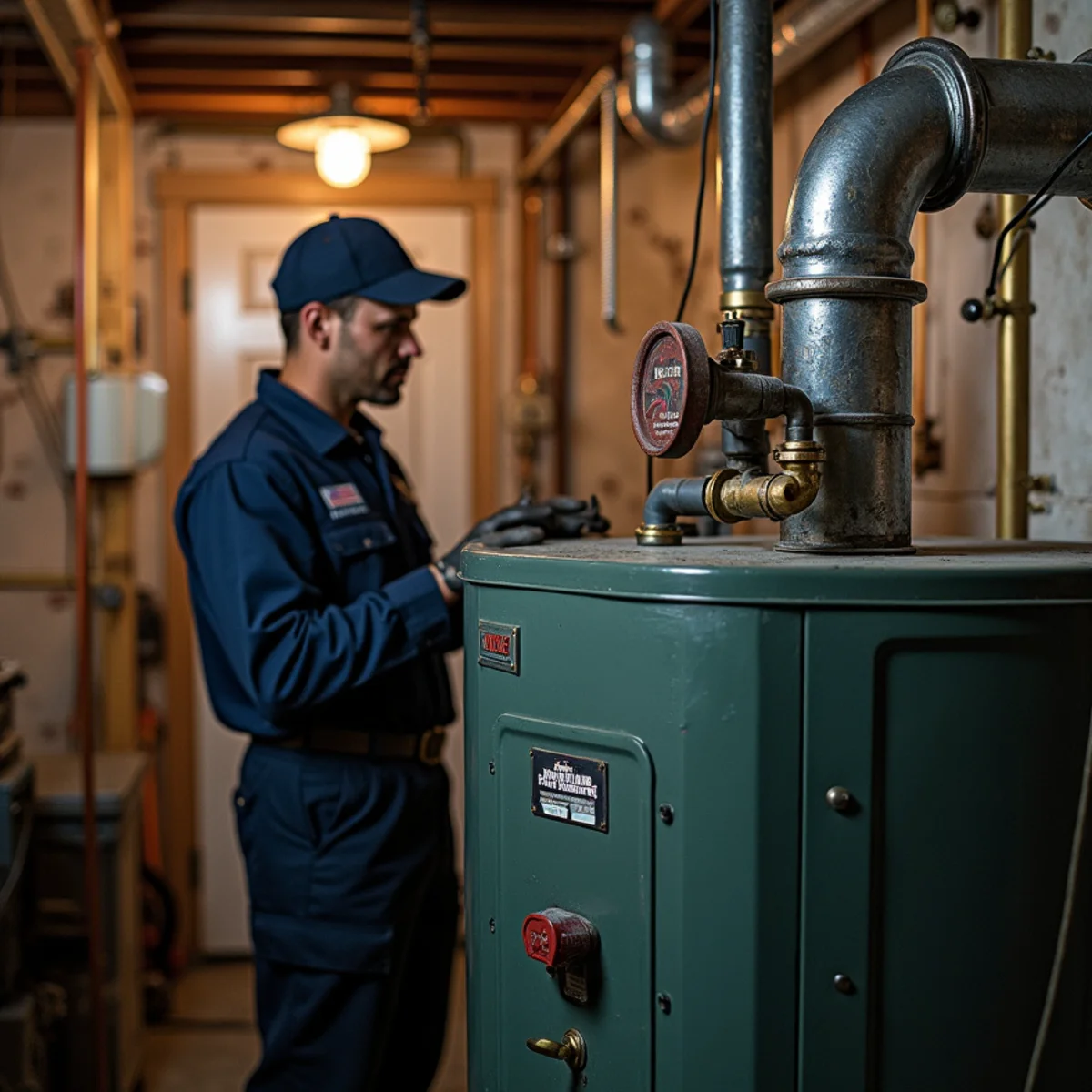
The most common steam and hot-water boiler problems in older Morris County homes are: (1) water hammer (violent pipe banging) caused by unpitched radiators or dirty boiler water; (2) cold radiators caused by clogged Hoffman air vents or air locks in hydronic loops; (3) leaking pressure relief valves caused by waterlogged expansion tanks; and (4) frequent boiler shutdowns caused by low-water cutoffs clogged with rust sediment. Regular boiler water skimming and proper radiator venting solve 80% of these historic heating issues.
The Lost Art of Steam Heating in Historic Morristown
Steam heating was the gold standard of American home heating from 1890 through the 1930s. When engineered correctly, a one-pipe steam system is virtually silent, incredibly durable, and capable of warming a home during severe blizzards without a single electric circulator pump.
However, because few modern technicians understand the delicate physics of steam boilers, many older Morris County systems suffer from improper maintenance, wrong pressure settings, and cheap replacement parts.
Fixing Violent Water Hammer (Banging Radiators)
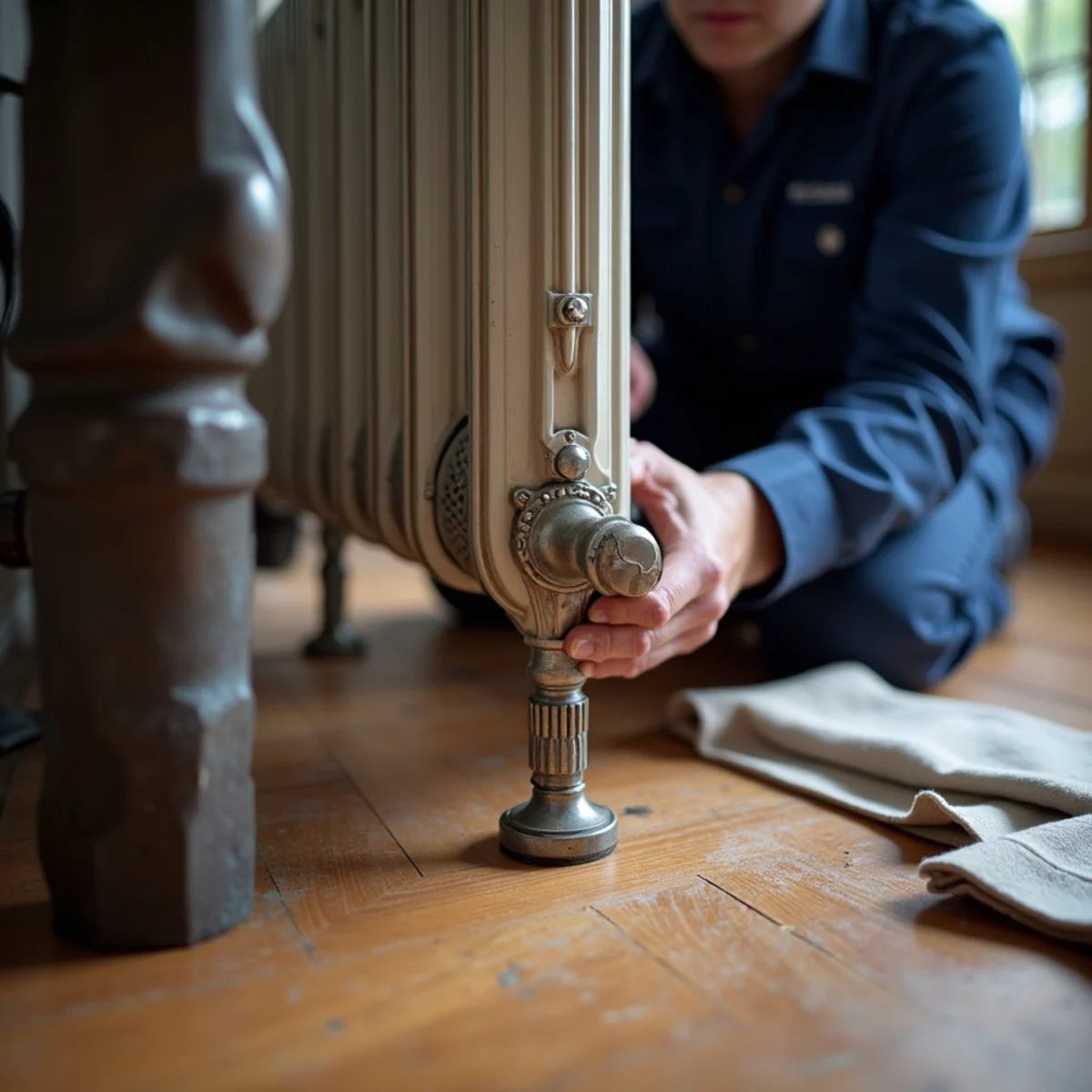
Water hammer is not just an annoying sound; the shock waves can crack cast-iron fittings and cause severe steam burns. In a one-pipe steam system, steam travels up through the pipe while cooled liquid condensate drains back down through the exact same pipe.
If a radiator settles over time and tilts away from the supply valve, condensate pools inside the radiator. When 212°F steam hits this pool, it creates a localized vacuum that slams gallons of water against metal joints. Shimming radiator legs with wooden or composite wedges so they slope back toward the valve solves this instantly.
The Critical Role of the Pressuretrol: Why Lower Pressure Is Better
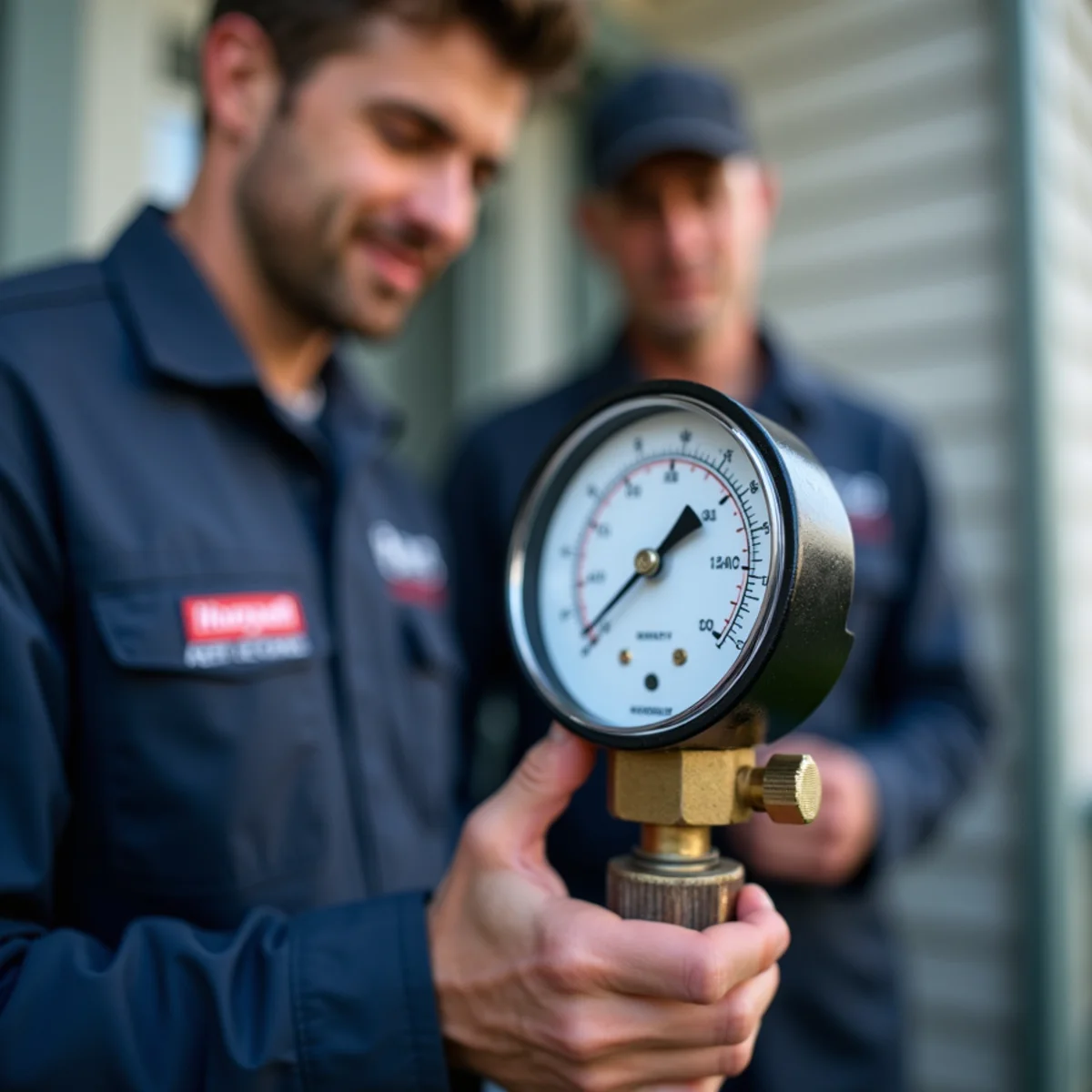
A rampant mistake made by unqualified handymen is cranking up the boiler's Pressuretrol to 5 or 10 PSI in an attempt to get heat up to cold third-floor rooms. This causes radiators to hiss violently, spit boiling water, and short-cycle the boiler.
Residential steam systems were engineered to operate on just 0.5 to 1.5 PSI of steam pressure. Higher pressure packs air vents with compressed air, preventing steam from entering radiators. Lowering the pressure cutoff to 1.5 PSI with a 1 PSI differential allows steam to flow freely and quietly throughout the home.
Boiler Water Surging and the Importance of Skimming
Look at your boiler sight glass while the burner is firing. The water level should remain steady or bounce gently by less than an inch. If the water is wildly bouncing up and down or disappearing into foam, your boiler water is contaminated with oil and sediment.
This causes 'surging', which pulls wet water droplets up into the steam mains. Resolving surging requires a professional surface skim: connecting a pipe to the boiler's factory skim port and slowly overflowing water at 180°F for two hours to float off oils.
Hydronic Baseboard Air-Locks & Circulator Pump Failures
While steam systems use open venting to move vapor through pipes, modern hydronic (hot-water) systems circulate water through a sealed, closed piping loop using high-speed electric circulator pumps. The most frequent service call in hydronic homes across Morris County is an air-lock: trapped pockets of air that prevent hot water from circulating into second-floor bedroom baseboards.
Air locks occur when system pressure drops below 12 PSI or when air separators fail. Bleeding air through coin vents on individual baseboards or using a fast-fill regulator to flush water loops clears trapped air. Additionally, aging circulator pumps develop worn internal impellers or seized motor bearings, requiring replacement with ultra-efficient variable-speed ECM circulators.
- Expansion tank bladder failures leading to pressure spikes exceeding 30 PSI
- Pressure relief valve weeping or blowing off boiling water across the basement floor
- Zone valve motor burnouts preventing individual thermostats from calling for heat
- Sludge and magnetite buildup choking circulator pump impellers in older cast-iron loops
Heating and air conditioning systems are complex closed-loop mechanical assemblies requiring strict adherence to manufacturer specifications, the New Jersey Uniform Construction Code (NJ UCC), and EPA Section 608 environmental guidelines. At Bella Family Air Pros, our certified technicians never rely on superficial visual inspections or temporary refrigerant top-offs.
If your system exhibits persistent short-cycling, uncharacteristic vibrations, electrical breaker trips, or thermal output drops, continuing to run the equipment risks catastrophic compressor seizure or heat exchanger cracking. Prompt, accurate diagnosis saves thousands in premature equipment replacement.
While routine air filter checks, thermostat battery replacements, and outdoor vent clearings are safe for homeowners, stop troubleshooting immediately and contact licensed technicians if you notice:
- •A distinct rotten egg sulfur smell (indicates a hazardous natural gas leak)
- •Carbon monoxide alarms sounding anywhere in the living areas
- •Sparks, buzzing noises, or scorch marks around electrical panels
- •Water actively overflowing from boiler relief valves or attic ceilings
Frequently Asked Questions
Quick takeaways and common homeowner inquiries regarding this heating and cooling topic.
During winter, opening the blowdown drain valve on your low-water cutoff for 5 seconds flushes accumulated mud and scale out of the float chamber, ensuring the safety float doesn't stick and allow the boiler to dry fire.
Our dispatch team is available 24/7 to help diagnose your system.
Not urgent? Send a request
For the fastest help, call (321) 478-0693. Otherwise, fill out the form below and we will respond promptly.
Need Professional HVAC Help in Morristown or Morris County?
Call (321) 478-0693 for 24/7 emergency dispatch or schedule your non-urgent diagnostic visit with upfront pricing.