
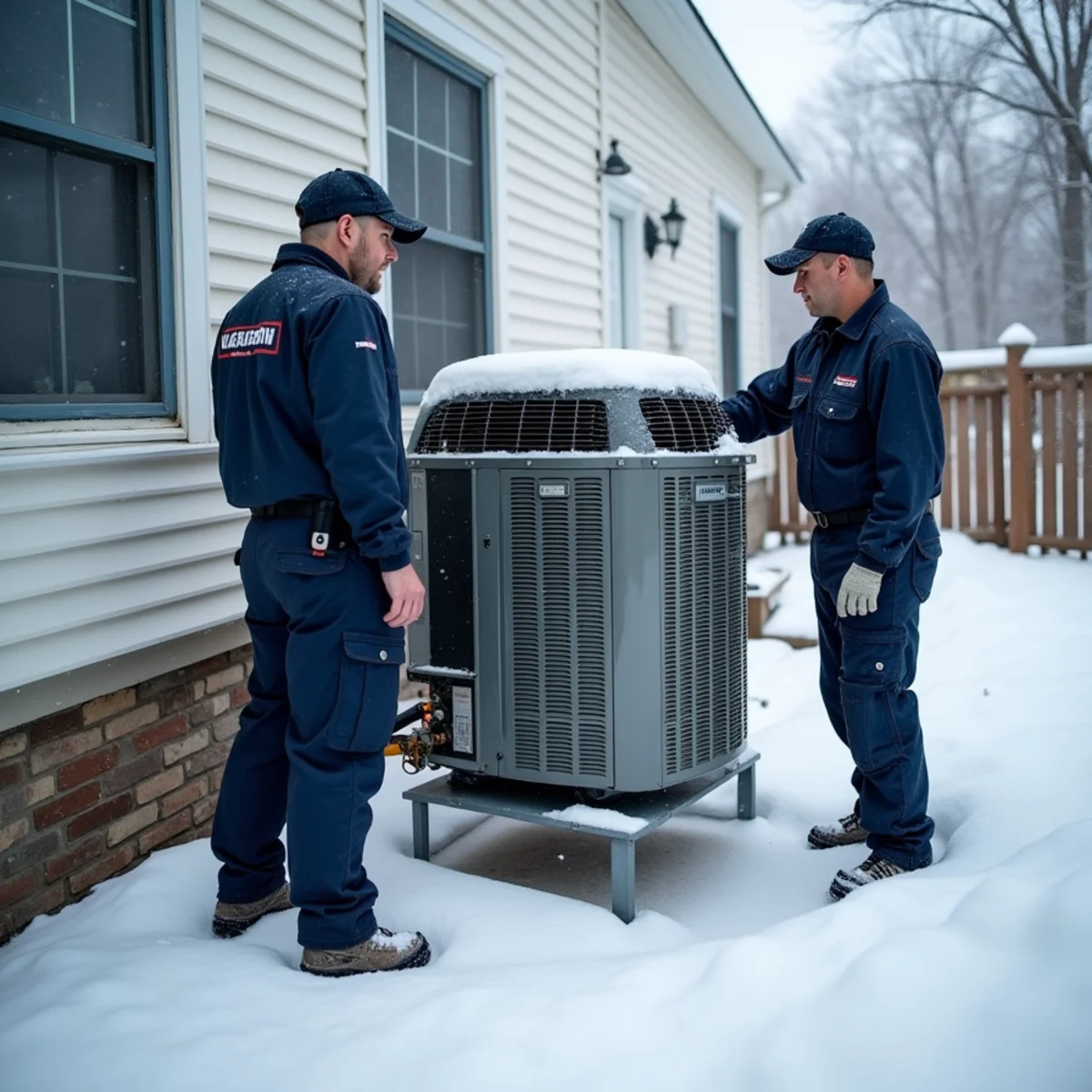
Yes, modern cold-climate heat pumps can easily handle a northern New Jersey winter. While older single-stage heat pumps from the 1990s struggled below 35°F, contemporary inverter-driven systems (such as Mitsubishi Hyper-Heating, Bosch IDS, and Daikin Aurora) maintain 100% heating capacity down to 5°F and continue extracting heat down to -13°F. In Morristown, where design winter temperatures hover around 12°F, cold-climate heat pumps can serve as either your primary whole-home heating source or as a dual-fuel partner with an existing furnace or boiler.
Debunking the 'Heat Pumps Don't Work in the Cold' Myth
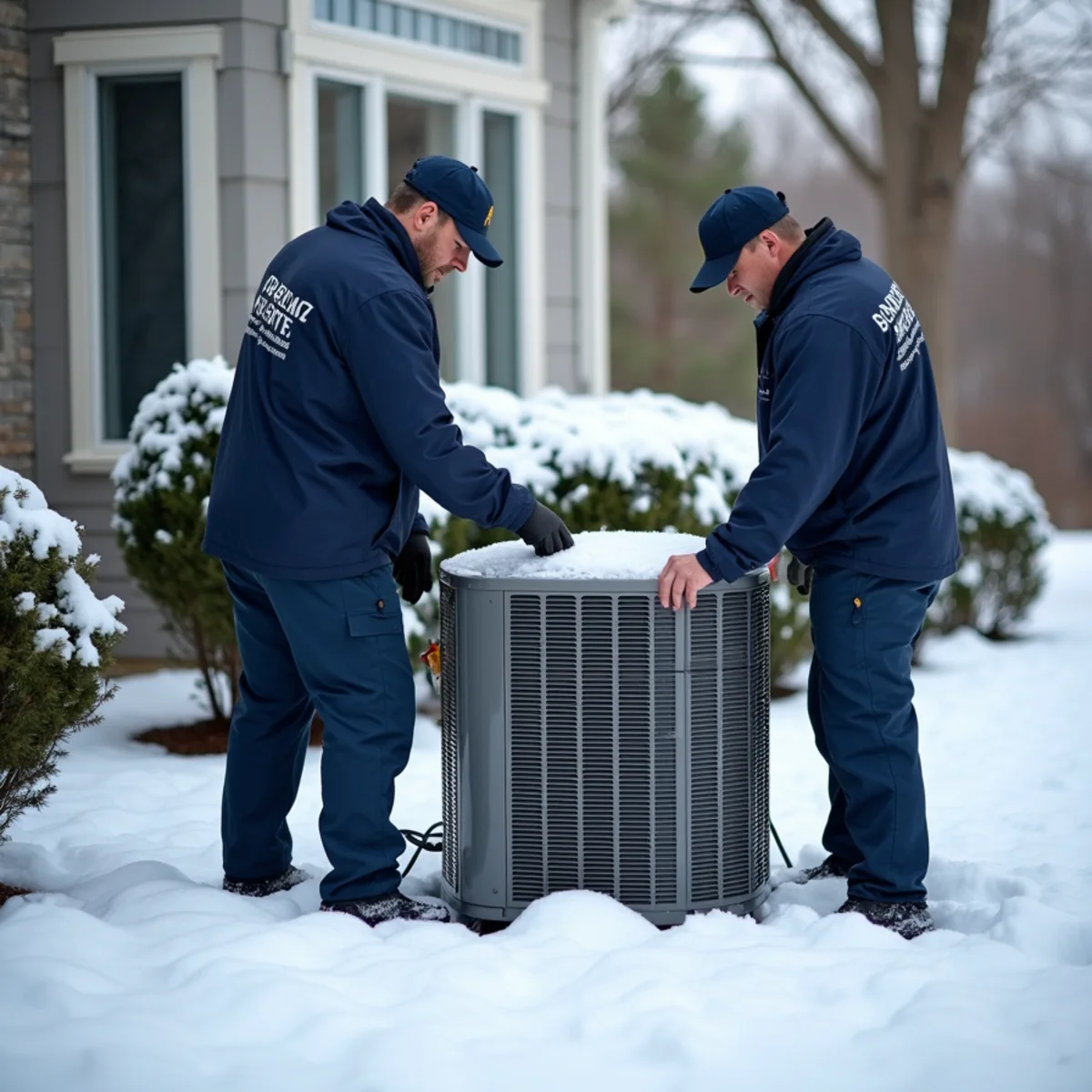
For years, contractors in northern states told homeowners that heat pumps were only suitable for Florida or Georgia. That outdated advice applied to old fixed-speed compressors running on R-22.
Today's cold-climate heat pumps utilize advanced variable-speed inverter compressors and flash-injection technology. Even when outdoor air is 0°F, there is still substantial thermal energy present in the atmosphere. The system compresses this cold vapor, boosting its temperature to 110°F+ to deliver toasty, comfortable air through your registers or ductless units.
Dual-Fuel Hybrid Systems: The Best of Both Worlds
For Morristown homeowners with existing natural gas service, a dual-fuel hybrid heat pump is often the ultimate setup. A high-efficiency heat pump handles 100% of your cooling all summer, and provides ultra-cheap heating throughout mild autumn and spring days (down to roughly 30°F).
When severe polar vortex cold snaps hit and temperatures drop into the single digits, your smart thermostat seamlessly switches over to your gas furnace for powerful, blazing heat. This setup maximizes fuel efficiency and shields you from utility rate spikes.
Winter Efficiency Ratings: HSPF2 and COP Explained
While cooling efficiency is measured in SEER2, winter heat pump efficiency is measured in HSPF2 (Heating Seasonal Performance Factor 2) and Coefficient of Performance (COP).
Electric baseboards have a COP of 1.0 (1 unit of electricity equals 1 unit of heat). Cold-climate heat pumps operate at COPs between 2.5 and 4.0, delivering up to four times more heat energy than the electricity they consume.
Comparing Operating Costs: Heat Pump vs Natural Gas vs Heating Oil in NJ
Understanding the operating economics of a heat pump in New Jersey requires comparing fuel costs per therm of delivered heat. When electric utility rates average $0.18 to $0.22 per kilowatt-hour (JCP&L territory) and heating oil costs $3.80 to $4.50 per gallon, a cold-climate heat pump operating at an average COP of 3.0 delivers significant operating savings over oil and electric resistance heat.
Compared to natural gas, heat pump operating costs are roughly comparable during mild autumn and spring weather (40°F to 55°F). In a dual-fuel configuration, the heat pump provides cheap heating during shoulder months, allowing your gas furnace to take over only when temperatures plunge into single digits.
- Up to 45% lower annual heating costs compared to delivered fuel oil or propane
- Elimination of carbon monoxide risks and combustion exhaust flues when converting to 100% heat pump
- Dual-fuel hybrid setups dynamically switch fuels based on real-time outdoor temperature sensors
- Cold-climate inverter systems maintain steady room warmth without the intense on/off blasts of older furnaces
Heating and air conditioning systems are complex closed-loop mechanical assemblies requiring strict adherence to manufacturer specifications, the New Jersey Uniform Construction Code (NJ UCC), and EPA Section 608 environmental guidelines. At Bella Family Air Pros, our certified technicians never rely on superficial visual inspections or temporary refrigerant top-offs.
If your system exhibits persistent short-cycling, uncharacteristic vibrations, electrical breaker trips, or thermal output drops, continuing to run the equipment risks catastrophic compressor seizure or heat exchanger cracking. Prompt, accurate diagnosis saves thousands in premature equipment replacement.
While routine air filter checks, thermostat battery replacements, and outdoor vent clearings are safe for homeowners, stop troubleshooting immediately and contact licensed technicians if you notice:
- •A distinct rotten egg sulfur smell (indicates a hazardous natural gas leak)
- •Carbon monoxide alarms sounding anywhere in the living areas
- •Sparks, buzzing noises, or scorch marks around electrical panels
- •Water actively overflowing from boiler relief valves or attic ceilings
Frequently Asked Questions
Quick takeaways and common homeowner inquiries regarding this heating and cooling topic.
During freezing, damp weather, frost naturally forms on the outdoor coil. Every 30 to 90 minutes, the unit automatically reverses into defrost mode for 3 to 8 minutes to melt the frost. In ducted systems, supplemental heat strips prevent cold drafts during this brief cycle.
Our dispatch team is available 24/7 to help diagnose your system.
Not urgent? Send a request
For the fastest help, call (321) 478-0693. Otherwise, fill out the form below and we will respond promptly.
Need Professional HVAC Help in Morristown or Morris County?
Call (321) 478-0693 for 24/7 emergency dispatch or schedule your non-urgent diagnostic visit with upfront pricing.