
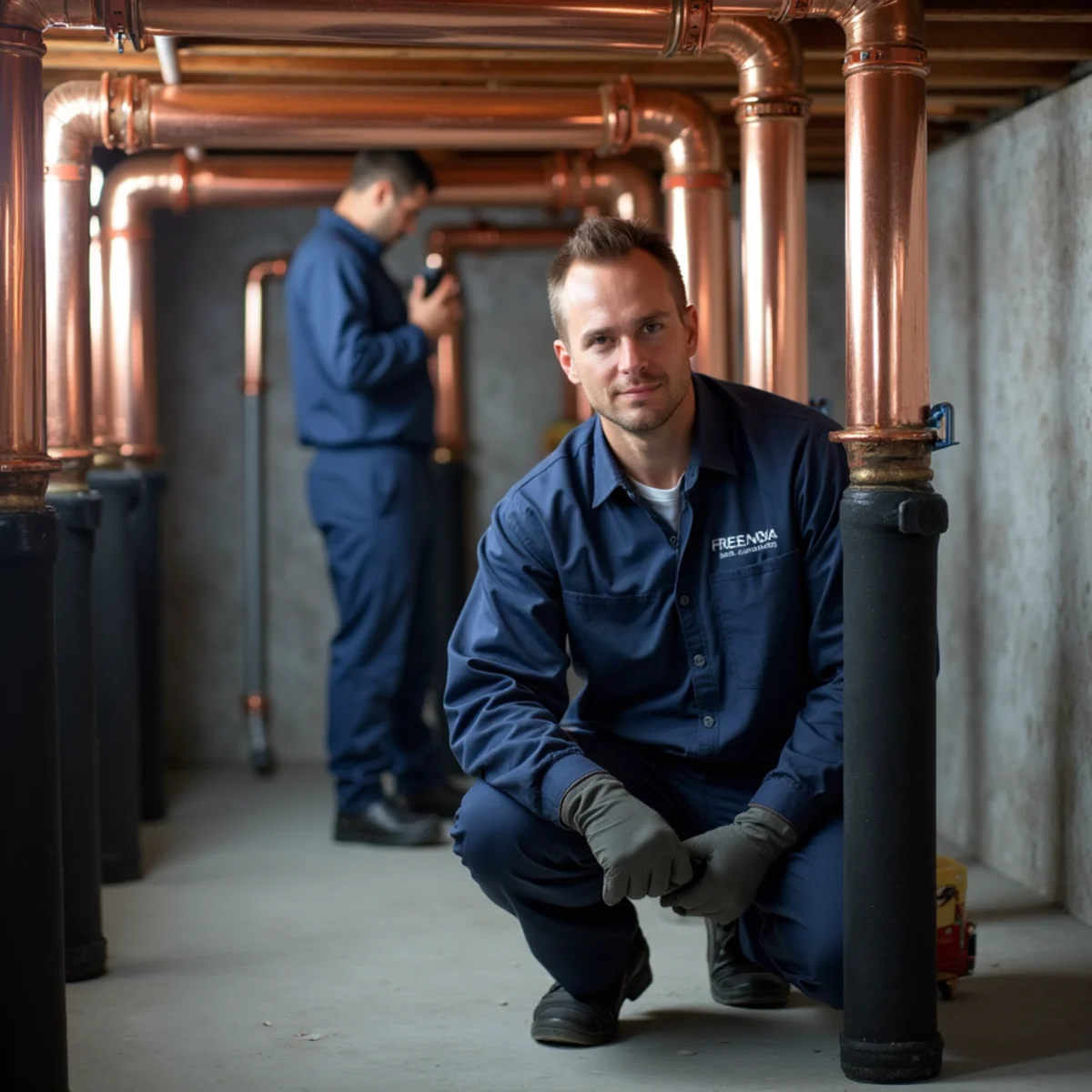
If your boiler or furnace fails during sub-freezing weather in Morristown, prevent frozen pipes with these five urgent steps: (1) Call for emergency 24/7 HVAC repair immediately at (321) 478-0693; (2) Open all bathroom and kitchen sink vanity cabinet doors to allow ambient room air to circulate around hidden pipes; (3) Turn on all faucets furthest from your water main to a gentle, steady pencil-lead trickle to keep water moving; (4) Set safe portable electric space heaters in vulnerable rooms (never unattended near curtains); and (5) If indoor temperatures drop below 40°F and heat cannot be restored quickly, shut off your main water valve and drain the domestic plumbing lines.
Why Frozen Pipes Are a Catastrophic Winter Risk
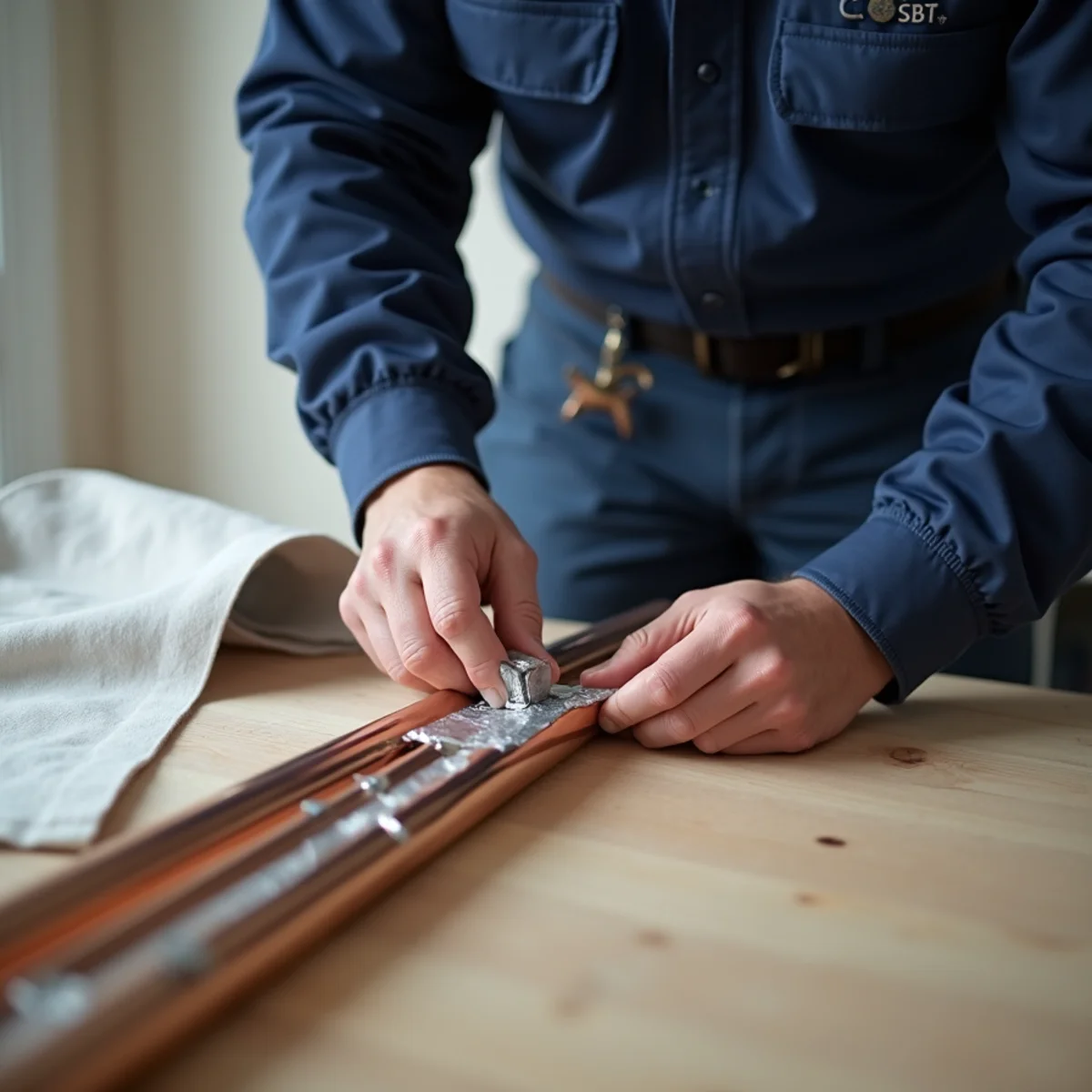
Water expands by approximately 9% as it freezes into ice. When trapped inside rigid copper, PEX, or cast-iron pipes, this expanding ice generates pressures exceeding 3,000 to 4,000 PSI, easily splitting thick copper tubing and cracking cast-iron radiator sections.
The real disaster occurs when the home warms up again: pressurized water gushes through the burst pipe at up to 10 gallons per minute, destroying finished floors, plaster ceilings, and electrical panels within minutes.
Immediate Steps in the First 2 Hours of a Heating Outage
Your home's thermal mass will retain warmth for several hours after a boiler stops firing. Use this window to take proactive protective actions:
- Open Vanities and Cabinets: Kitchen and bathroom supply lines run along uninsulated exterior walls. Keeping cabinet doors open allows warm air to reach them.
- Run Faucets on a Steady Drip: Moving water rarely freezes. A pencil-lead trickle from hot and cold faucets relieves hydraulic pressure even if ice begins to form.
- Close Attic and Basement Vents: Check for cold draft penetrations near rim joists or broken basement windows, and block drafts with blankets or foam insulation.
- Consolidate in Central Living Areas: Keep interior doors open to allow heat from space heaters to disperse evenly.
When to Shut Off the Main Water Valve
If your heating system cannot be repaired overnight and outdoor temperatures are below 20°F, you must protect your home by draining the plumbing system. Locate your main water shutoff valve (usually where the water line enters through the basement front foundation wall) and turn the brass gate wheel clockwise or flip the ball valve lever perpendicular.
Next, open the lowest faucet in the house (such as a basement utility sink) and open the highest faucets on the upper floor to drain gravity water out of the lines.
Adding Propylene Glycol Antifreeze to Hydronic Heating Loops
For vacation properties, homes with long hydronic pipe runs through unconditioned crawlspaces, or houses where owners travel frequently during winter, adding specialized HVAC antifreeze to the boiler system provides permanent insurance against catastrophic pipe bursts.
It is critical to understand that only non-toxic propylene glycol formulated specifically for hydronic heating (such as Cryo-Tek) can be used. Never use automotive antifreeze (ethylene glycol), which is highly toxic and illegal in residential heating systems. A 30% to 50% propylene glycol concentration protects hydronic pipes from bursting even if indoor temperatures plunge to -20°F.
- Non-toxic propylene glycol with corrosion inhibitors engineered specifically for cast-iron and copper heating systems
- Mandatory installation of an approved backflow preventer to protect municipal drinking water supplies
- Annual testing of glycol freeze points using an optical refractometer during pre-winter tune-ups
- Slight reduction in heat transfer efficiency requiring circulator pump speed calibration
Heating and air conditioning systems are complex closed-loop mechanical assemblies requiring strict adherence to manufacturer specifications, the New Jersey Uniform Construction Code (NJ UCC), and EPA Section 608 environmental guidelines. At Bella Family Air Pros, our certified technicians never rely on superficial visual inspections or temporary refrigerant top-offs.
If your system exhibits persistent short-cycling, uncharacteristic vibrations, electrical breaker trips, or thermal output drops, continuing to run the equipment risks catastrophic compressor seizure or heat exchanger cracking. Prompt, accurate diagnosis saves thousands in premature equipment replacement.
While routine air filter checks, thermostat battery replacements, and outdoor vent clearings are safe for homeowners, stop troubleshooting immediately and contact licensed technicians if you notice:
- •A distinct rotten egg sulfur smell (indicates a hazardous natural gas leak)
- •Carbon monoxide alarms sounding anywhere in the living areas
- •Sparks, buzzing noises, or scorch marks around electrical panels
- •Water actively overflowing from boiler relief valves or attic ceilings
Frequently Asked Questions
Quick takeaways and common homeowner inquiries regarding this heating and cooling topic.
Yes. Hot-water heating pipes located along exterior walls, in crawl spaces, or in unheated attics are highly vulnerable to freezing during extended outages. Adding non-toxic propylene glycol (HVAC antifreeze) to hydronic loops provides winter freeze protection.
Our dispatch team is available 24/7 to help diagnose your system.
Not urgent? Send a request
For the fastest help, call (321) 478-0693. Otherwise, fill out the form below and we will respond promptly.
Need Professional HVAC Help in Morristown or Morris County?
Call (321) 478-0693 for 24/7 emergency dispatch or schedule your non-urgent diagnostic visit with upfront pricing.